

Why Childhood Cancer Is Different
Cancer in children is rare, but it is not impossible. Each year, thousands of families worldwide face a diagnosis that turns life upside down.
Unlike adult cancers, which are often linked to lifestyle or environmental exposure, most childhood cancers come from unknown causes. They also tend to grow faster, respond differently to treatment, and require a different kind of care, medically and emotionally.
Common Types of Childhood Cancer
Although childhood cancer is not one disease, certain types are more common in kids than adults:
- Leukemia: Cancer of the blood and bone marrow, especially acute lymphoblastic leukemia (ALL)
- Brain and spinal cord tumors: Including medulloblastoma and gliomas
- Neuroblastoma: Starts in early nerve cells, often in infants and toddlers
- Wilms tumor: A kidney cancer most common in children under age 6
- Lymphoma: Both Hodgkin and non-Hodgkin types
- Bone cancers: Like osteosarcoma or Ewing sarcoma, especially in teens
Early Warning Signs to Watch For
Symptoms can be hard to recognize, especially since kids often cannot explain what they feel. Some signs to be aware of include:
- Unexplained bruising or bleeding
- Persistent fatigue or paleness
- Swelling or lumps in the abdomen, neck, or limbs
- Frequent headaches or vomiting, especially in the morning
- Sudden changes in vision, balance, or behavior
- Bone or joint pain, especially at night
If any of these symptoms persist or worsen, talk to your child’s doctor. Early diagnosis improves outcomes.
Diagnosis and Treatment
How it is diagnosed:
Doctors use a combination of blood tests, imaging (like MRI or CT), and sometimes a biopsy to confirm cancer in children.
How it is treated:
Treatment depends on the type and stage of cancer, and may include:
- Chemotherapy: The most common treatment for childhood cancers
- Surgery: To remove solid tumors
- Radiation: Used carefully due to long-term risks in growing bodies
- Stem cell transplant: For high-risk or relapsed cancers
- Targeted therapy and immunotherapy: Increasingly used in specialized cases
Emotional and Family Support
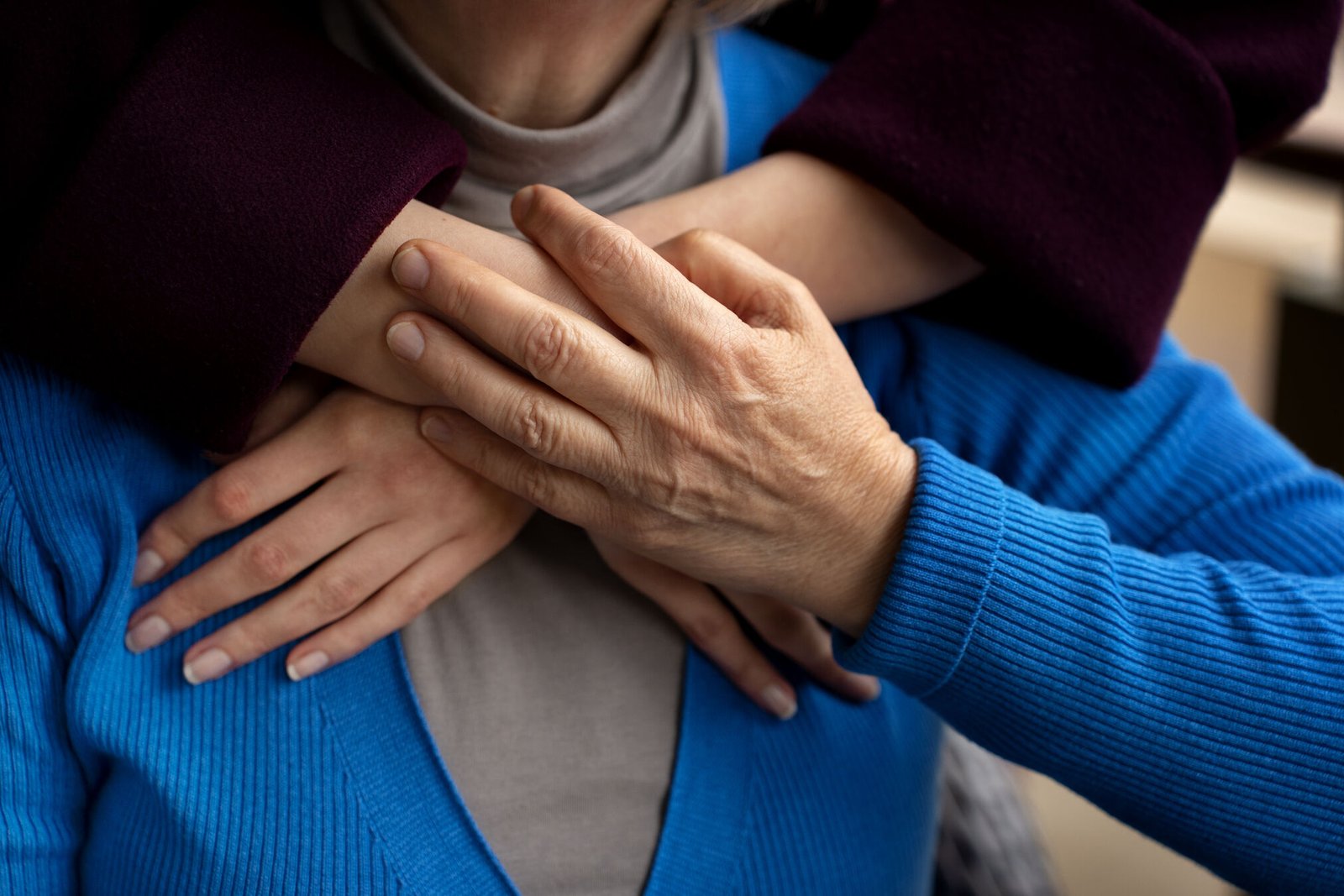
Every cancer diagnosis affects the entire family. Parents may feel overwhelmed, siblings may feel confused or left out, and the child may experience fear, anger, or sadness.
Support may include:
- Child life specialists
- Pediatric psychologists
- Family support groups
- School re-integration plans
Oncore’s team is here to help families navigate both the medical and emotional journey, with care that goes beyond treatment.
Long-Term Survivorship
Many children survive cancer and grow into healthy adults. However, some treatments may cause side effects that appear months or years later, such as:
- Heart or lung problems
- Growth or hormone changes
- Learning difficulties
- Increased risk of secondary cancers
This is why follow-up care is essential, often for years after treatment ends.
Final Thoughts
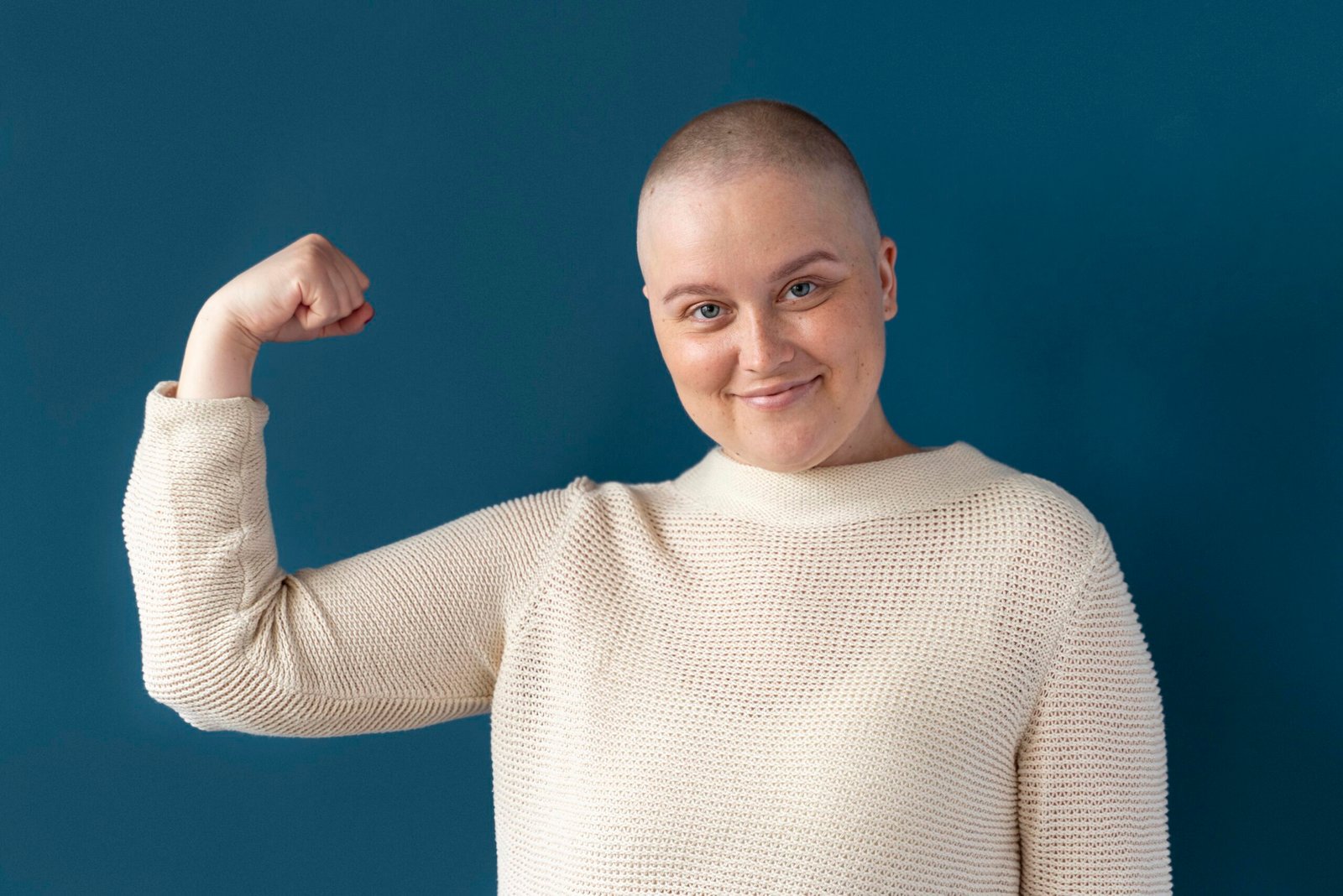
Childhood cancer is rare, but it is real. With early diagnosis, expert care, and family-centered support, many children not only survive, but thrive.
Oncore stands beside families every step of the way, from diagnosis to recovery and beyond.