




The Role of a Caregiver
Whether you are a spouse, child, parent, sibling, or friend, caregiving is one of the most important and demanding roles in a cancer journey. You are often the one managing appointments, offering emotional support, helping with daily tasks, and advocating for care, all while dealing with your own feelings and stress.
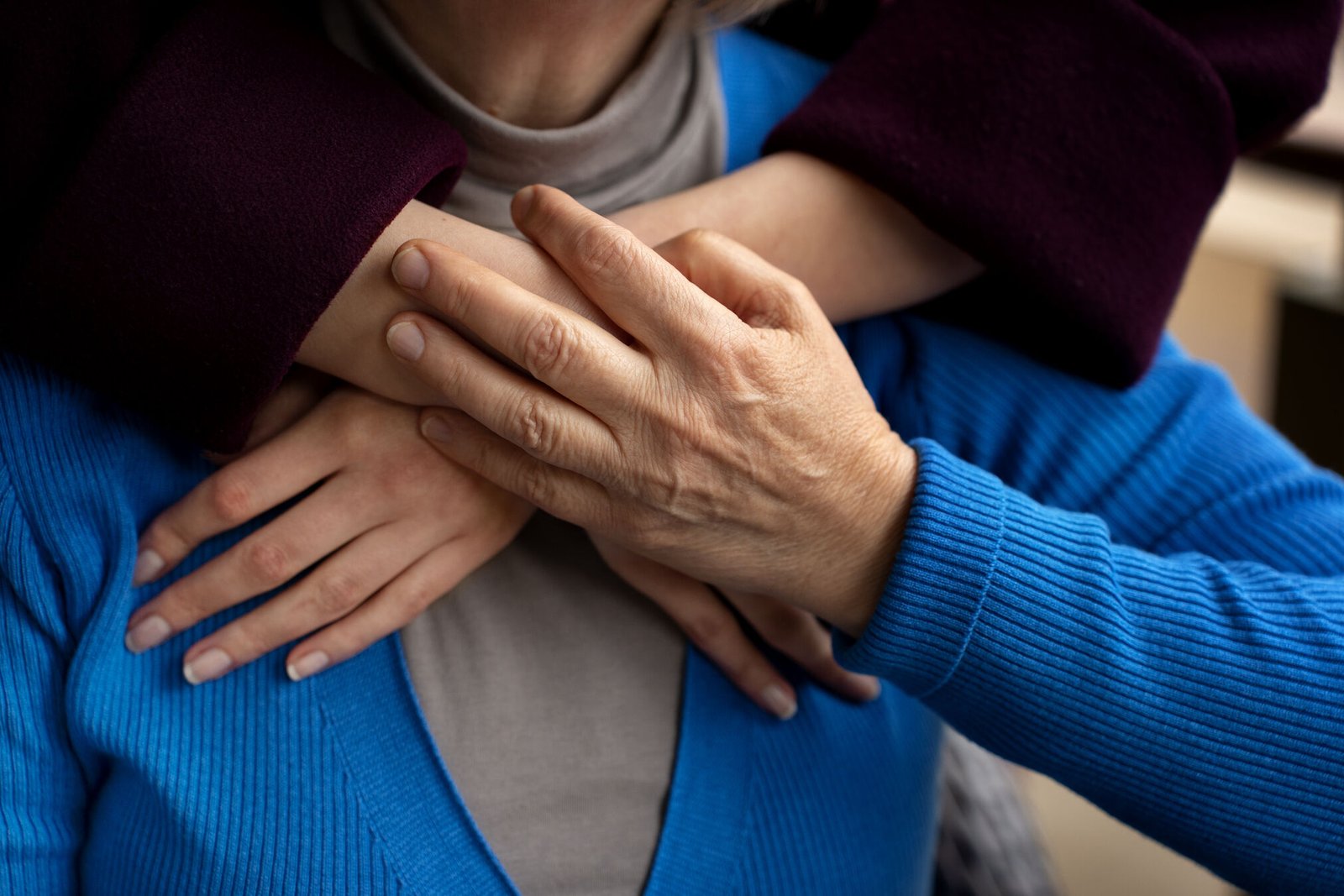
Caregivers are not just helpers, they are part of the healing process.
What Caregivers Often Do
Every situation is different, but caregivers often take on some or all of the following responsibilities:
- Driving to appointments or coordinating schedules
- Managing medications and tracking symptoms
- Communicating with the healthcare team
- Helping with meals, rest, and physical care
- Providing emotional encouragement and presence
- Handling paperwork, insurance, and logistics
Supporting Someone Emotionally
You do not need to have all the answers. What matters most is your presence. Sit with them, listen without trying to fix everything, and let them express both hope and fear.
Say things like:
- “I am here for you.”
- “You do not have to go through this alone.”
- “Tell me what you need today.”
Let them guide the conversation. Some people want to talk, some prefer distraction, and others may want quiet company. Be flexible and kind, to them and to yourself.
How to Take Care of Yourself
Supporting someone through cancer is emotionally and physically draining. Many caregivers experience burnout, anxiety, and even depression. You matter too, and you cannot pour from an empty cup.
Tips for caregiver self-care:
- Ask for help — you do not have to do everything alone
- Take breaks — even 10 minutes of rest or quiet time helps
- Talk to someone — friends, a therapist, or support group
- Move your body — walk, stretch, or do light exercise
- Sleep and eat well — your body needs care too
You are not selfish for needing support. You are doing your best in an incredibly hard situation.
Talking to Children and Family
If you are supporting someone with cancer, children or other family members may also be affected. Try to communicate age-appropriate information honestly, and create a space where questions and feelings are welcome.
- Let children know cancer is not their fault
- Encourage routine when possible
- Be honest, but offer hope and reassurance
It is okay to say, “I don’t know, but I’ll find out” or “I feel sad too.”
When to Seek Extra Help
If you feel overwhelmed, reach out to:
- A social worker at the hospital or cancer center
- A psychologist or counselor familiar with caregiving
- Online or local caregiver support groups
You do not have to wait until you are struggling to ask for support. Early emotional care makes you a better caregiver over the long term.
Recommended Resources
These trusted tools can make your caregiving journey more informed and supported:
- 📘 “The Caregiver’s Companion” by Carolyn A. Brent
A clear, practical guide to legal, emotional, and medical issues caregivers face. Includes checklists and reflection tools. - 📗 “Cancer Caregiver Manual” by National Coalition for Cancer Survivorship (NCCS)
Free online guide written by experts, covering everything from daily care to end-of-life decisions. Trusted by US oncology centers.
🔗 View on NCCS - 🎧 Podcast: “Nothing is Wasted” (Cancer Caregivers Episodes)
Includes powerful caregiver stories, emotional resilience tools, and hope-based interviews. Highly rated by patient communities. - 💻 Website: “Caregiver Action Network” (CAN)
24/7 support hotline, free checklists, and connection to caregiver communities.
🔗 Visit CaregiverAction.org
Final Message
You are not alone. At Oncore, we see the caregivers, not just the patients. You are part of the healing journey. Whether it is support, strength, or space, you deserve it too.
Explore more tips and resources to support yourself and your loved one through cancer.