
The Emotional Side of Cancer
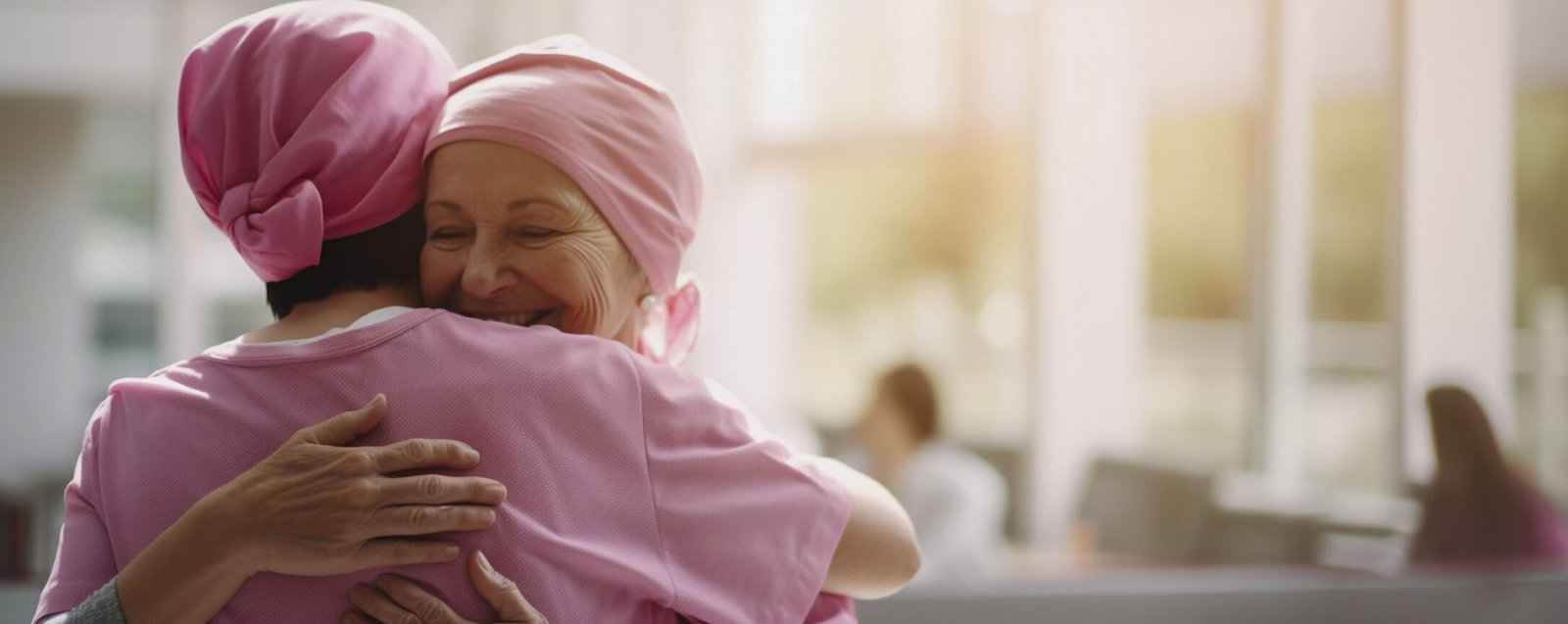
A cancer diagnosis does more than affect your physical health. It often shakes your sense of identity, your confidence, your goals, and even your relationships.
Feelings of fear, sadness, anger, anxiety, and uncertainty are common. These emotions do not mean you are weak, they mean you are human.
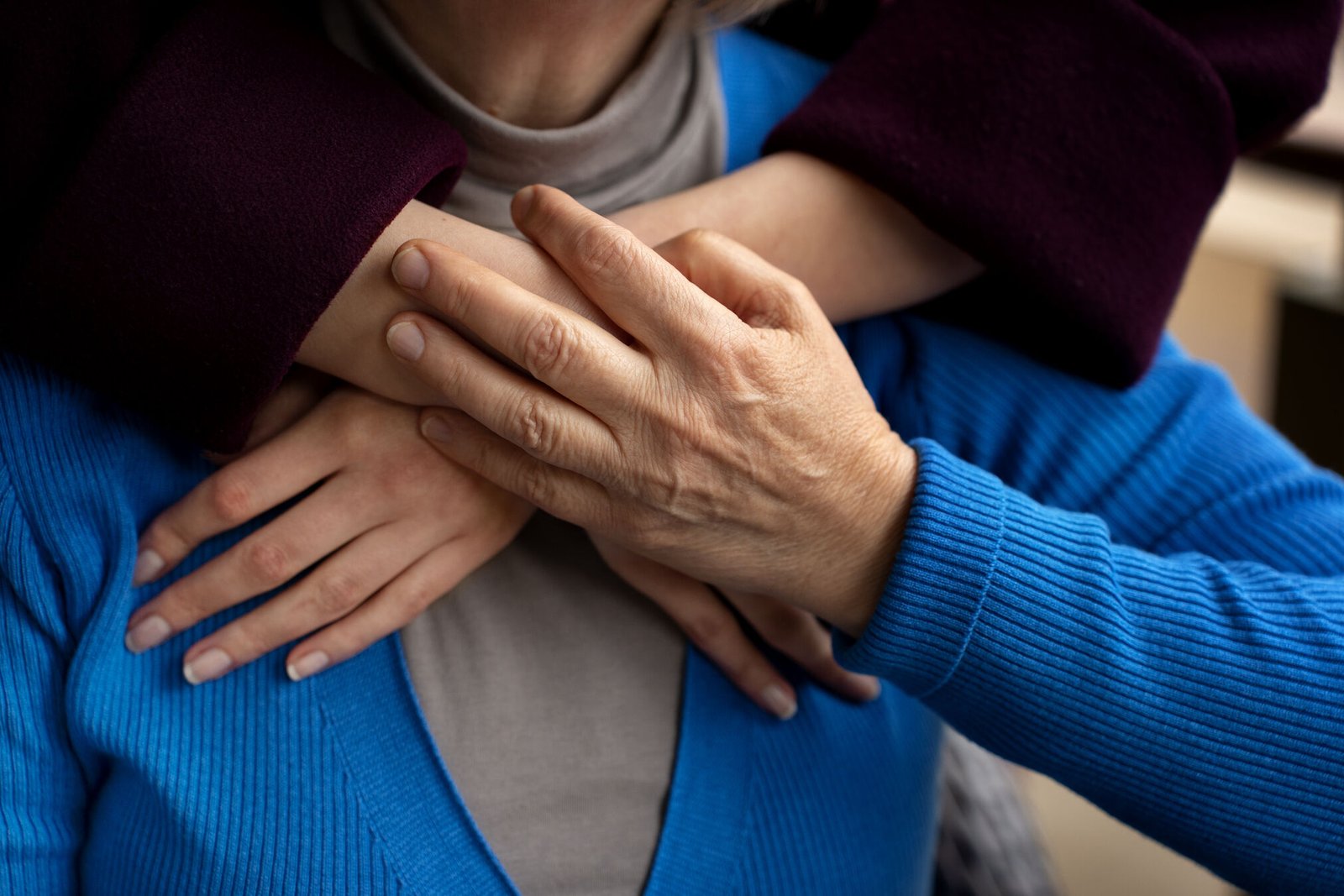
It is normal for both patients and caregivers to feel emotionally overwhelmed, especially at the beginning of the journey or during major changes in treatment.
What You Might Experience
Each person copes differently, but some emotional experiences are common:
- Shock or disbelief at diagnosis
- Fear about the future, survival, or side effects
- Sadness or grief over changes in your life
- Guilt about needing help or becoming a “burden”
- Anger at your body or medical system
- Loneliness, even with support around you
Support Systems That Can Help
Help is available. Talking to the right person can make a major difference in how you cope, recover, and rebuild your life.
- Psycho-oncologists: Mental health professionals trained in cancer support
- Support groups: Sharing with others who understand your experience
- Social workers: Help with financial, legal, or family stress
- Faith-based support: For those who find comfort in spirituality
At Oncore, we believe emotional well-being is part of healing, not separate from it.
Relationships and Identity
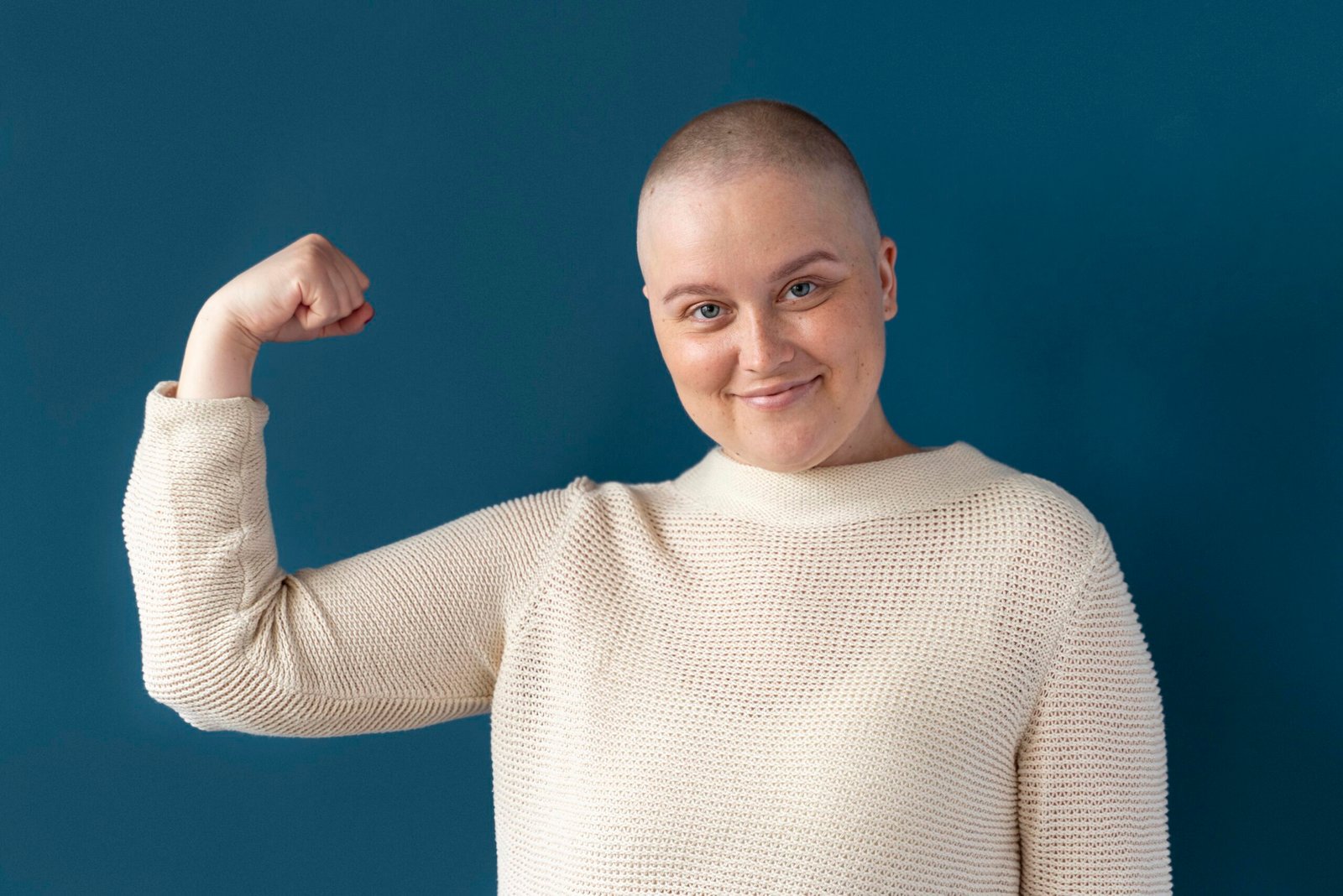
Cancer can change how you see yourself. It may affect your appearance, energy levels, or life plans. It may also shift how others treat you, sometimes offering support, and sometimes distancing out of fear.
Communication matters. Let your partner, family, or friends know what you need. Tell them when you want to talk and when you need space. You are allowed to ask for help, but you are also allowed to set boundaries.
Coping Strategies That Help
- Take breaks: It is okay to not think about cancer 24/7
- Practice mindfulness: Breathing, meditation, or quiet moments help reduce anxiety
- Exercise gently: Movement supports your mental and physical recovery
- Write it out: Journaling helps process feelings privately
- Say no: You do not owe anyone constant updates or positivity
Small actions each day build resilience over time. Emotional healing is not linear. Good days and bad days can both be part of your progress.
When to Seek Professional Help
If you experience any of the following, talk to a healthcare provider or mental health expert:
- Constant sadness or hopelessness
- Severe anxiety, panic attacks, or trouble sleeping
- Loss of interest in things you used to enjoy
- Thoughts of self-harm or feeling like a burden
There is no shame in seeking therapy, medication, or crisis support. You are not alone, and help is available.
Recommended Resources
- 📘 Anticancer: A New Way of Life by Dr. David Servan-Schreiber
This internationally respected book explores the mind–body connection, and offers lifestyle guidance on managing emotional and physical resilience during cancer. Written by a physician who survived brain cancer, it is backed by peer-reviewed research and trusted by many cancer centers worldwide. - 🎧 Medscape Oncology Podcasts
While geared toward professionals, Medscape’s podcasts often address survivorship, stress, mental health, and caregiver support. They feature expert interviews from leading oncologists and mental health specialists.
Final Thoughts
Emotional health is not a luxury, it is part of your recovery. You deserve support for your mind and your heart, not just your body.
At Oncore, we are here to help you manage stress, navigate changes, and care for your emotional well-being throughout your cancer journey.