


Why AYA Cancer Deserves Special Attention
Cancer is less common in teens and young adults, but when it happens, it can bring a very different experience than for children or older adults.
People aged 15 to 39 are in a unique life phase. You may be finishing school, building a career, starting a family, or discovering your identity. A cancer diagnosis can interrupt all of that, and that’s why AYA cancer care must be tailored, not just for the body, but for the life around it.
Most Common Cancers in Adolescents and Young Adults
AYAs can develop a wide range of cancers, but the most common include:
- Lymphomas: Hodgkin and non-Hodgkin lymphoma
- Thyroid cancer
- Leukemia: Especially acute lymphoblastic leukemia (ALL)
- Melanoma and skin cancers
- Testicular cancer
- Cervical and ovarian cancers
- Brain and spinal cord tumors
- Sarcomas: Soft tissue and bone cancers like Ewing sarcoma
Diagnosis and Treatment
Who it affects:
Young people aged 15 to 39, across all genders and backgrounds. Some may already be transitioning from pediatric to adult care systems.
Common symptoms:
- Persistent fatigue
- Unexplained pain or swelling
- Lumps or abnormal growths
- Changes in skin or moles
- Ongoing infections or fever
Screening & detection:
Routine screening is not common for AYAs unless they have risk factors, but early recognition of symptoms is critical. Delays in diagnosis are more common in this age group because cancer is often not suspected.
Treatment options:
Treatment depends on the type and stage of cancer. It may include:
- Chemotherapy or radiation
- Surgery
- Targeted or immunotherapy
- Fertility preservation options before treatment begins
Unique AYA Challenges
AYA patients face concerns that go beyond medical treatment, including:
- Fertility: Will treatment affect future ability to have children?
- Education and career: How will time off or health changes impact goals?
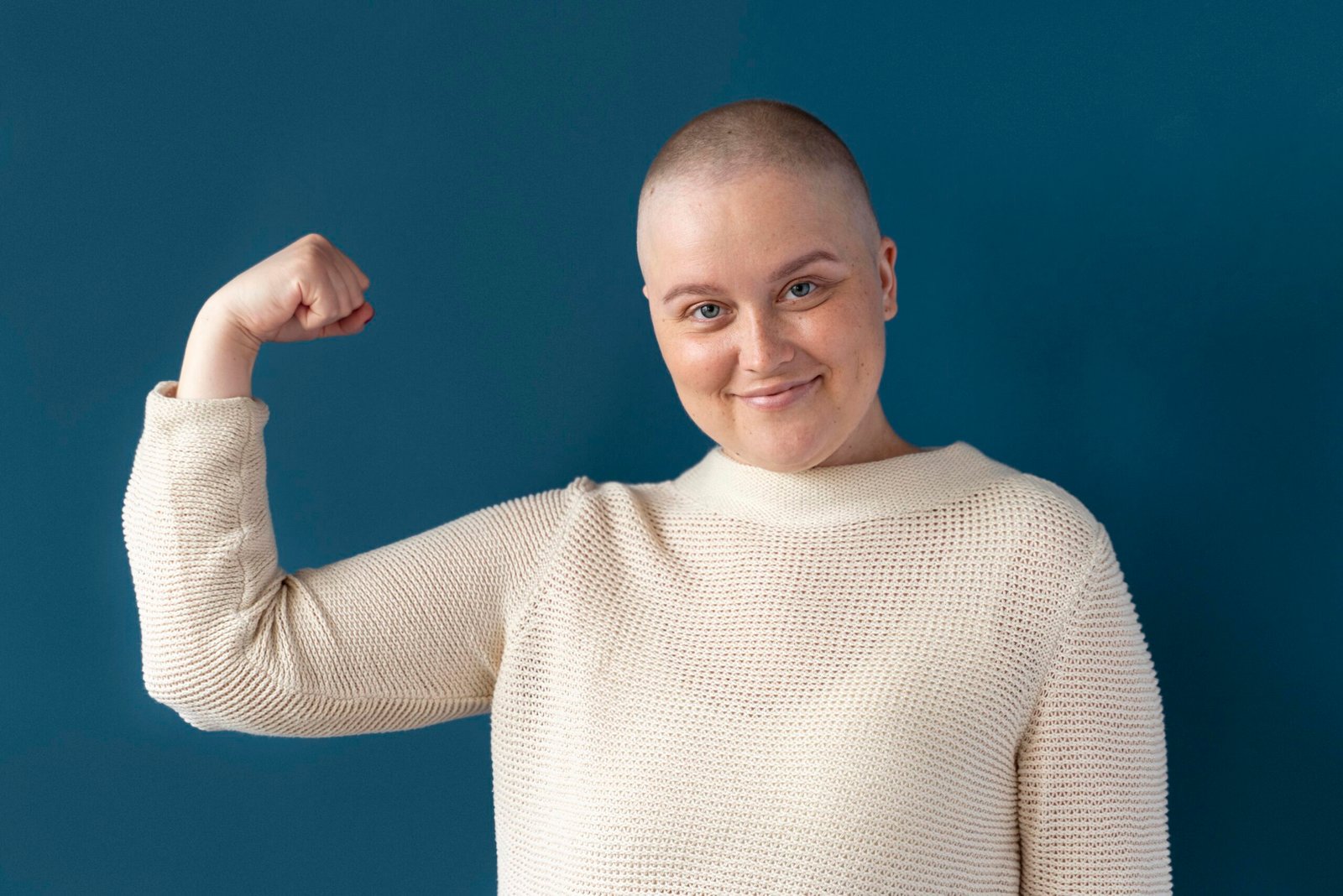
- Body image: Dealing with scars, hair loss, or weight changes
- Mental health: Anxiety, fear of recurrence, and identity shifts
- Relationships: Navigating friendships, dating, or independence while in treatment
Support services like counseling, peer groups, and fertility experts can make a big difference during and after treatment.
Life After Cancer
Many AYA patients survive cancer and live full lives. But recovery takes time, and some late effects may show up months or years later. These might include hormonal changes, heart or lung effects, or mental health struggles.
That’s why long-term follow-up care is essential, not only for physical health, but for emotional recovery and future life planning.
Final Thoughts
Young people facing cancer need more than just treatment, they need information, support, and a care plan that sees the full picture of who they are.
Oncore is here to help you navigate every stage of this journey, from diagnosis through treatment, and into your future.